Egyptian food, which dishes to try in Cairo and Hurghada

Everyday life5 min read

Egyptian food is simple, filling and inexpensive, and many dishes are eaten here every day. Here is what to try first, where to do it and how not to spoil the experience with street food.
Koshari, the signature dish of Cairo
Koshari is considered the national dish of Egypt. It is a mix of rice, pasta, lentils and chickpeas with tomato sauce, crispy fried onions and garlic vinegar. The hot shatta sauce is added to taste, so go easy on it.
Koshari is sold in special koshari shops, where a portion is served from big pots in a couple of minutes. It is one of the most filling and inexpensive dishes in the city, and it contains no meat.
Ful and taameya for breakfast
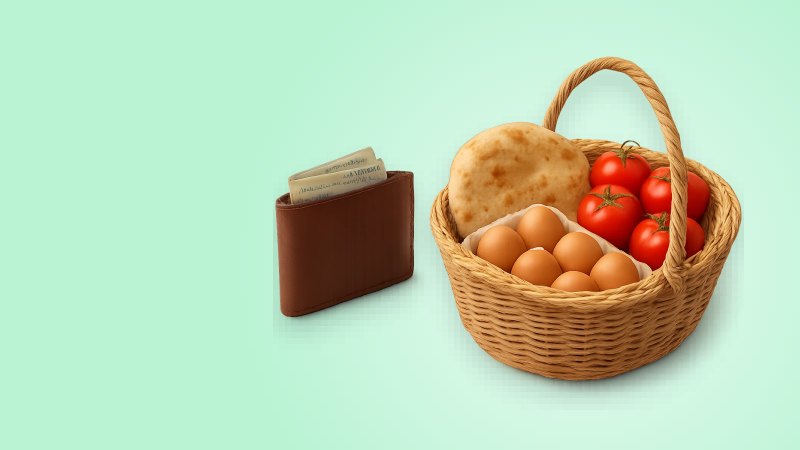
Ful is stewed fava beans, eaten with oil, lemon, cumin and aish baladi flatbread. Taameya looks like falafel, but in Egypt it is made not from chickpeas but from fava beans with herbs, so it is green inside.
Flatbread with ful or taameya is the most common Egyptian breakfast. These sandwiches are sold from early morning in snack bars and from carts all over the city.
Molokhia, mahshi, fattah and other home dishes
These dishes are cooked at home, but they are easy to find in local restaurants too.
- Molokhia. A thick green soup of jute leaves with garlic and coriander, eaten with rice and chicken or rabbit.
- Mahshi. Vegetables and leaves stuffed with rice, herbs and spices: peppers, courgettes, aubergines, vine and cabbage leaves.
- Fattah. Layers of toasted bread, rice and meat under a tomato sauce with garlic and vinegar. It is a festive dish, especially for Eid al-Adha.
- Hawawshi. Baladi bread filled with spiced minced meat and baked until crisp.
- Feteer. A flaky pastry of thin dough made with butter, sweet with honey or savoury with cheese and meat. In feteer shops it is made in front of you.
Egyptian desserts
Egyptians love sweets, and pastry shops stay open late. Be sure to try three desserts. During Ramadan you will also find qatayef everywhere, small pancakes filled with nuts or cream.
- Konafa. Thin crispy strands of pastry with nuts or a cream filling, soaked in syrup. It is especially popular during Ramadan.
- Basbousa. A semolina cake soaked in sweet syrup, sometimes with coconut.
- Om Ali. A hot dessert of puff pastry baked with milk, nuts and raisins.
What to drink, karkade, sahlab and sugarcane juice
- Karkade. A drink made from dried hibiscus flowers, served both hot and cold.
- Sahlab. A hot, thick milky drink with nuts and coconut, drunk in winter.
- Sugarcane juice (asab). It is pressed in front of you at juice shops, sweet and refreshing.
- Tea. It is drunk strong and sweet, often with mint.
Where to try Egyptian food
The tastiest food is often found in small local places where Egyptians themselves eat. In Nasr City, downtown Cairo and any other district, koshari shops and ful snack bars are on almost every street. In Hurghada, local cafes away from the tourist promenade are usually cheaper than hotel restaurants, and their food is closer to home cooking. Here are a few well known places that are open in 2026. Addresses and opening hours change, so check them on a map before you go.
- Abou Tarek (Koshary Abou Tarek). A famous koshari restaurant in downtown Cairo that grew out of a street cart.
- Zooba. A chain that serves Egyptian street food in a modern way. Its Zamalek restaurant made the list of the 50 best restaurants of the Middle East and North Africa in 2026.
- Khufu’s. A restaurant of Egyptian cuisine by the pyramids in Giza that topped the same list in 2026. It is an expensive option for a special occasion.
How to eat street food without stomach trouble
Street food in Egypt is tasty and cheap, but in the first weeks your stomach may react. According to the US CDC, the risk of stomach upsets among travellers in Egypt is high, and tap water outside large hotels is not safe to drink. Simple rules help.
- Drink bottled or filtered water.
- Choose dishes that are cooked in front of you and served hot.
- Be careful with raw salads and ice in drinks where you are not sure about hygiene.
- Go where there are many customers: food does not sit around there.
- Wash your hands before eating or carry hand sanitiser.
Halal is the norm in Egypt
Egypt is a Muslim country, so meat in ordinary Egyptian cafes and snack bars is, as a rule, halal, and pork is hardly ever seen. If in doubt, just ask the seller. Where to buy familiar products and halal meat, we explained in the article CIS food in Cairo.
Home cooking and sweets on Tullab
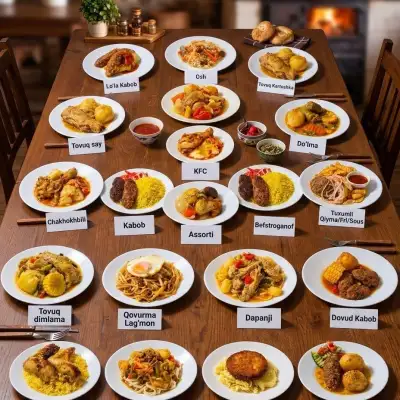
Missing plov and manti? Look for Russian-speaking cooks in the home cooking section, and read how to choose a cook and what to ask in the article home food to order in Cairo. Cakes and oriental sweets to order are in the sweets and baking section.
Do you cook Egyptian dishes or sweets yourself? Post a listing for free with your dishes, area and delivery terms.